“Nothing in life is to be feared, it is only to be understood. Now is the time to understand more, so that we may fear less.” — Marie Curie
How This Mini-Book Can Help You
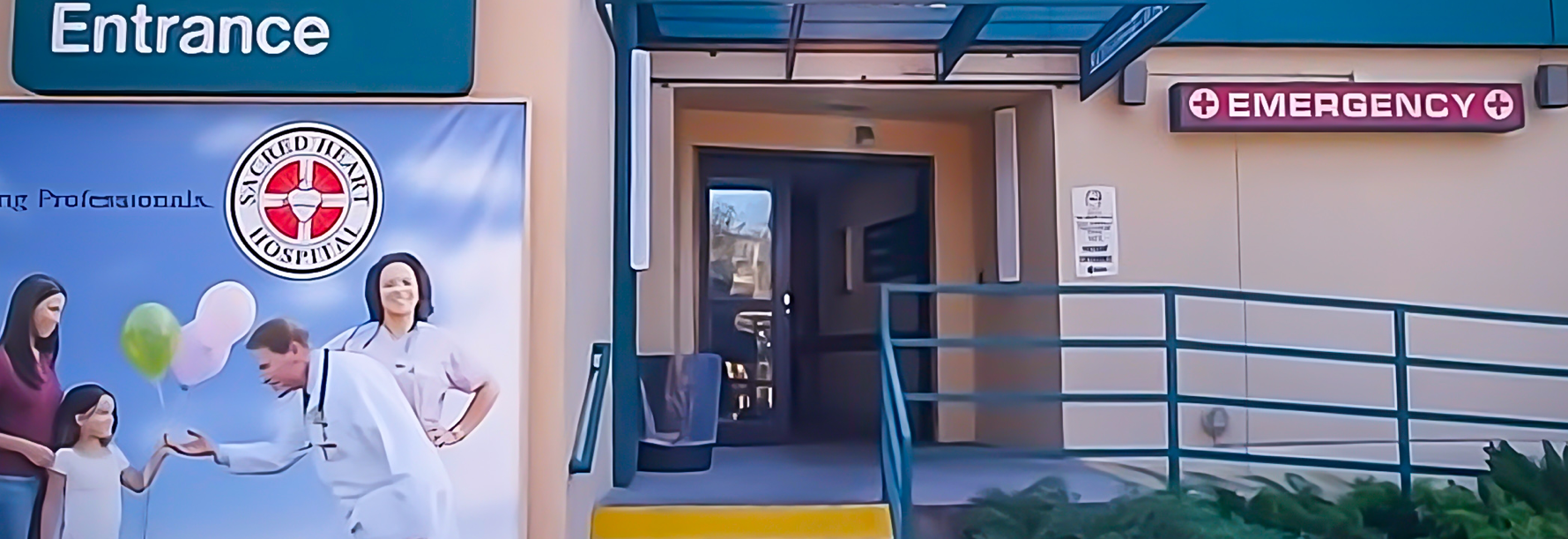
Earlier this year, a family emergency put me in a hospital for an extended stay. I watched doctors handle critical, near-death cases up close — and what stayed with me was not the medical detail but the coordination.
Every team member knew their role, communicated clearly, and worked with precision. Nobody hesitated. Nobody asked “who is doing what?” They had rehearsed this.
In tech, we do not work like that. Under pressure, we stumble. Communication breaks down. Three people debug the same thing while another problem goes unnoticed. We react instead of act.
What if we took a page from the emergency room playbook?
Most tech teams operate like general practitioners — stable, routine, manageable. But when things go south — a system on the verge of collapse, a high-severity incident at 2 AM — generalist habits stop working. We call in specialists, sure. But what if the team itself could respond with the precision of an ER crew? Not by hiring more people, but by training the people you already have.
This mini-book maps the emergency room to the on-call rotation. Not as a cute metaphor, but as a framework that works.
Chapters Overview
- Chapter 1: Triage: How emergency rooms classify urgency — and how you can do the same with incidents.
- Chapter 2: Team Roles: From Incident Commander to Post-Incident Analyst — who does what when the page fires.
- Chapter 3: Drills, Protocols, and Readiness: Cross-training, simulation drills, communication channels, and emotional readiness.
- Chapter 4: After the Incident: Debriefs, continuous improvement, and what pandemics taught us about sustained crisis.